
Tips for anyone who wants to make the most of their meetings
Meetings are a common and necessary part of any organization, but they can also be a source of frustration and inefficiency if they are not well planned and executed. How can you ensure that your meetings are productive, engaging, and valuable for everyone involved? In this blog post, we will share some tips and best practices on how to run successful meetings that achieve your goals and respect your participants’ time and energy.
What does it mean to run a successful meeting?
A successful meeting is one that has a clear purpose, a realistic agenda, a diverse but more importantly, relevant group of participants, and a positive outcome. A successful meeting also respects the following principles:
- It starts and ends on time.
- It has a facilitator who guides the discussion and keeps everyone on track.
- It encourages active participation and feedback from all attendees.
- It avoids distractions and interruptions.
- It summarizes the key points and action items at the end.
- It follows up with a written record and a plan for the next steps.
How to run a successful meeting: a checklist
Here are some of the items that you should consider and prepare before, during, and after your meeting to ensure its success:
Agenda
Define the objectives and desired outcomes of your meeting and create a realistic and specific agenda that covers them. Share the agenda with the participants in advance and ask for their input and feedback. Sharing the agenda in advance also helps attendees determine if they are a key contributor to the discussion or not. Be flexible and open to adjust the agenda if needed during the meeting.
Time zones:
If you are working with a global or remote team, be mindful of the different time zones and try to schedule your meeting at a convenient and respectful time for everyone. Use a tool like FindTime to find the best time slot for your meeting. Also, consider the duration of your meeting and avoid making it too long or too short. A good rule of thumb is to limit your meeting to 60 minutes or less, unless you have a compelling reason to extend it. Be aware of scheduling immediately after lunchtime. We are still adjusting to a hybrid world and if people are in the office, they may take more than an hour as they spend more time in lunch lines and ad-hoc conversations with other colleagues. Meetings immediately after lunch should have a bit of a buffer and be understanding that there may be some tardiness.
Space:
Give yourself and your participants some space between meetings to avoid back-to-back sessions that can cause fatigue and stress. Ideally, you should have at least 5-to-10-minute buffer time between meetings to allow yourself and others to take a break, refresh, and prepare for the next meeting. If possible, avoid scheduling meetings on to early on Mondays and Fridays, as these are usually the busiest and most hectic days of the week.
Notes:
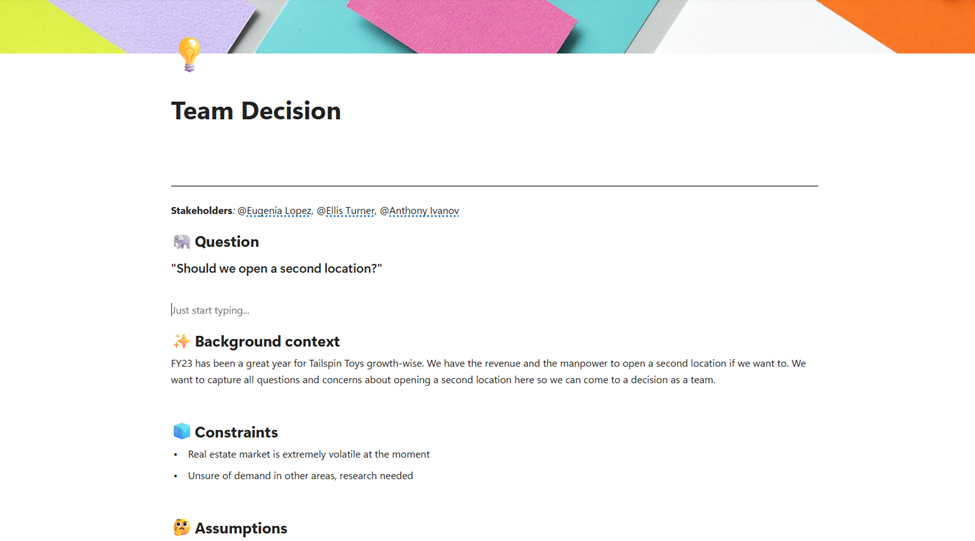
Write down the main points and action items of your meeting ahead of time and share them with the participants before the meeting. This isn’t quite the same as an agenda since an agenda is typically just an outline. These are more detailed notes about the context of the meeting, what potential proposals are, constraints, risks etc. This will help everyone to have a clear idea of what to expect and what to prepare for the meeting. During the meeting, assign someone to take notes and record the key decisions, insights, and follow-ups. After the meeting, send out the notes and the action items to everyone as soon as possible and ask for their confirmation and feedback.
This one may be hard to do for all meetings, but writing your meeting notes ahead of time can be helpful. Use tools like Notion or Loop that have preset templates that make it easier to fill in. I know you’re thinking how I can write notes before a meeting has even happened. Well, you can do this by highlighting what you want to focus on. A good format that you can follow:
· Context
· Constraints
· Proposed options
· Next steps or decision
Now some of those sections may be blank but having the outline ready for the discussion helps give the meeting more direction. If you have access to these tools, you can share the notes with others in real-time so they can provide feedback during the meeting.
Participation
Make sure that everyone’s voice is heard and valued during the meeting. Encourage everyone to contribute and share their opinions, questions, and suggestions. Use tools to create interactive polls and surveys that can spark engagement and feedback. Avoid talking too much or too little and listen actively and respectfully to others. Some people are more vocal about their opinions than others, especially during online meetings. Others may be too shy to speak up. Before you end a meeting, if it’s a small forum, ask individually if anyone has feedback or thoughts directly to ensure everyone is heard.
Recap
At the end of the call, wrap up your meeting with a clear and concise summary of the main points and action items. Thank everyone for their participation and feedback and remind them of the next steps and deadlines. Ask for any questions or concerns and address them promptly. End your meeting on a positive and upbeat note and express your appreciation and gratitude to everyone.
Why are meetings important and how to make them not a waste of time?
Meetings are important because they allow you to communicate, collaborate, and coordinate with your team and stakeholders. They help you to align your goals and expectations, solve problems and challenges, generate ideas and innovations, and build trust and rapport. They also provide you with an opportunity to learn from others, share your knowledge and expertise, and give and receive feedback and recognition.
However, meetings can also be a waste of time if they are poorly planned and executed. They can consume your time and energy, distract you from your priorities, and create confusion and frustration. To avoid these pitfalls, you should follow the tips and best practices that we have shared in this blog post and make your meetings productive, engaging, and valuable for everyone involved.
What are some ways to ensure that you are making the most of your meetings?
 PM PowerUps
Leave a comment